No Image

Concrete construction “offsets around one half” of emissions caused by cement industry says IPCC
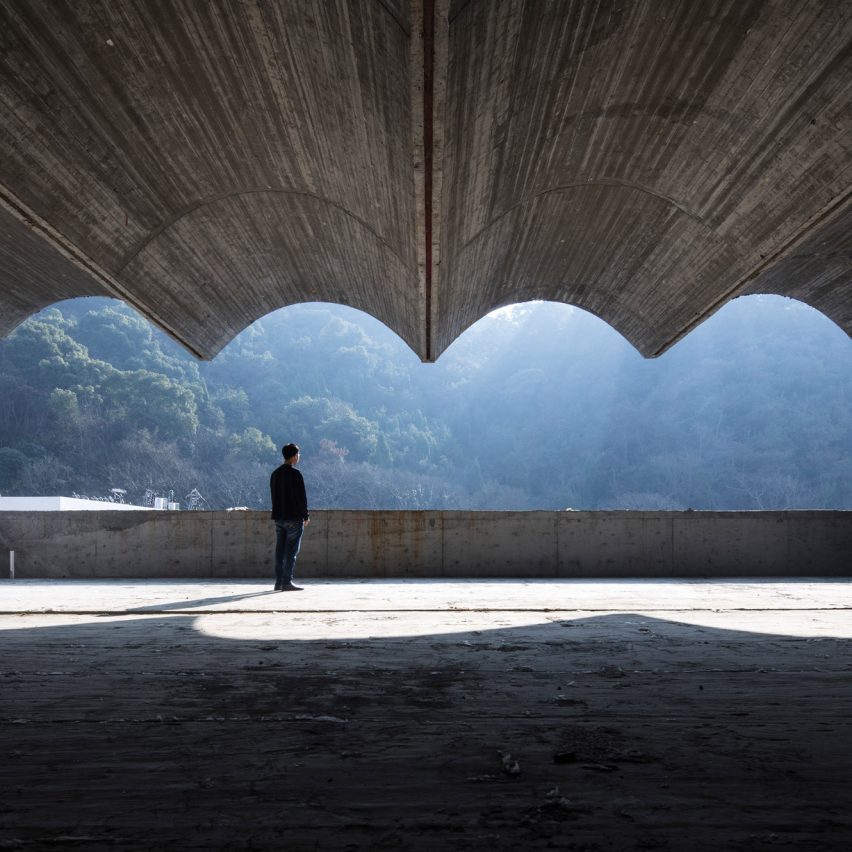
August 24, 2021 Marcus Fairs 0
Taizhou Contemporary Art Museum

Around half of the carbon emissions from cement production are reabsorbed by the material when used in buildings and infrastructure, according to the latest IPCC climate report. The “cement carbonation sink” absorbs an estimated 20 million tonnes of carbon every year, according to an overlooked section of the report published earlier this month ahead of

The post Concrete construction “offsets around one half” of emissions caused by cement industry says IPCC appeared first on Dezeen.
No Image

Anti-microbial ceramic surfaces by Fiandre Architectural Surfaces used across Tokyo office interior

August 20, 2021 Dezeen staff 0
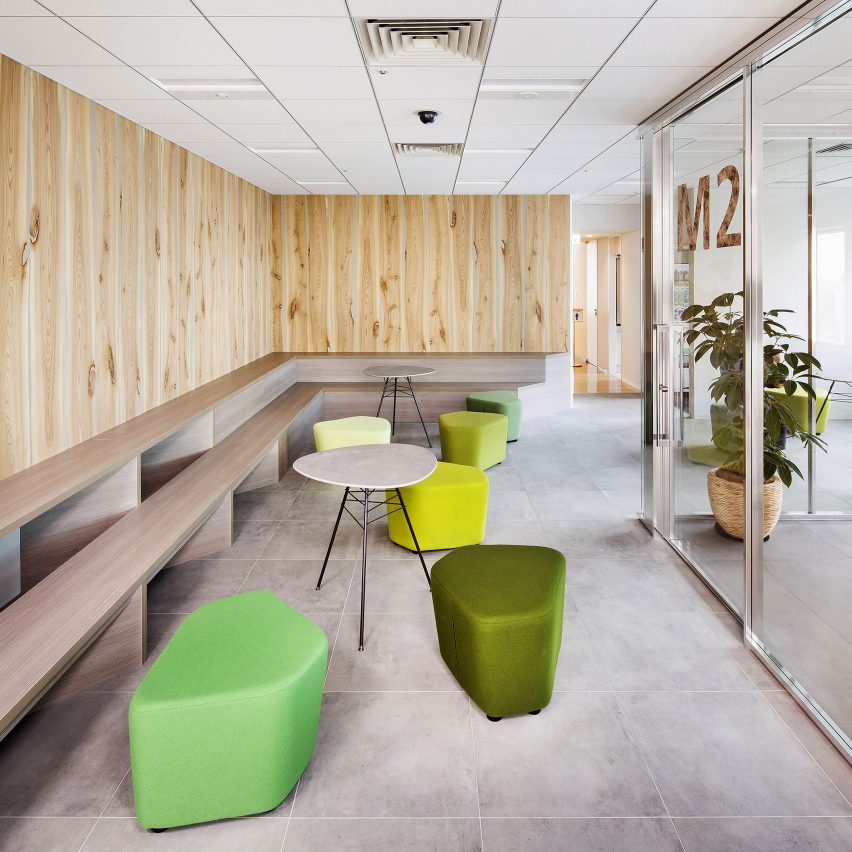
Fiandre Architectural Surfaces Urban acri

Dezeen promotion: Matteo Belfiore Architecture and Shukoh have used anti-microbial ceramic surfaces by Fiandre Architectural Surfaces across the interior of a new headquarters for a cyber company in Tokyo, Japan. Fiandre Architectural Surfaces is an Italian surface manufacturer that specialises in creating ceramic surfaces for use in architecture projects. Matteo Belfiore Architecture and Shukoh used

The post Anti-microbial ceramic surfaces by Fiandre Architectural Surfaces used across Tokyo office interior appeared first on Dezeen.

No Image

Carlo Ratti Associati designs MAE Museum dedicated to carbon fibre

August 3, 2021 Rima Sabina Aouf 0
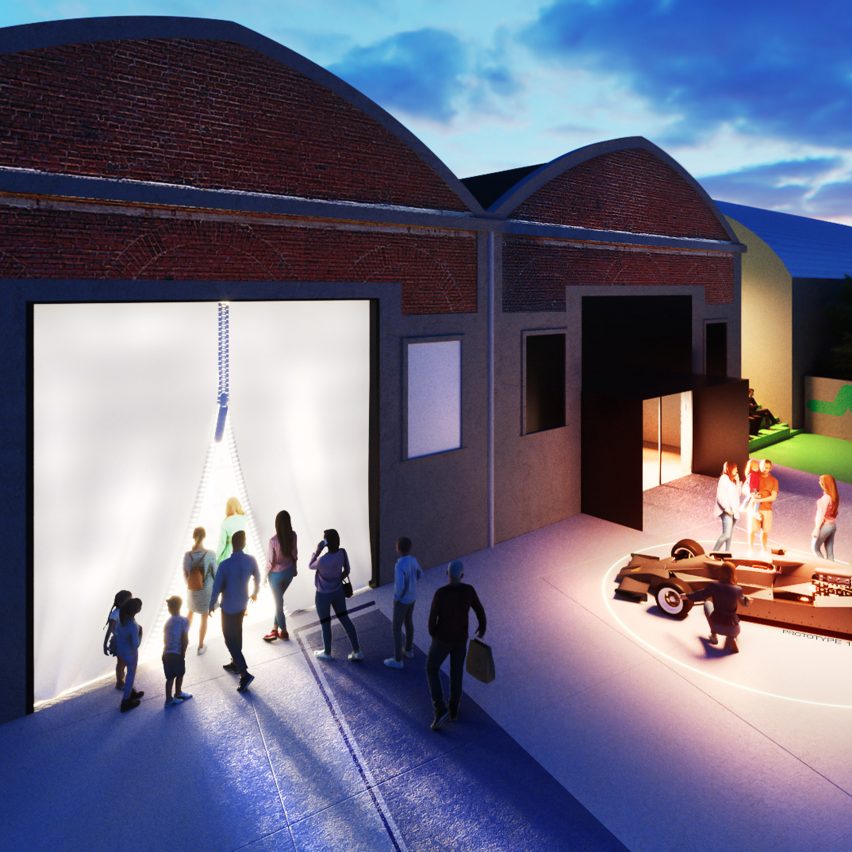
MAE Museum exterior rendering by Carlo Ratti Associati

Italian studio Carlo Ratti Associati and architect Italo Rota have designed a museum dedicated to carbon fibre, which will be partially made from the material. Created for carbon-fibre manufacturers MAE, the museum will feature objects from the company’s 53-year history that show how the ultra-strong, lightweight material is used across the automotive, cycling and fashion

The post Carlo Ratti Associati designs MAE Museum dedicated to carbon fibre appeared first on Dezeen.

No Image

Drive to reduce embodied carbon in buildings makes biomaterials market a “really exciting space”

July 16, 2021 Marcus Fairs 0
Jan Wurm

Concerns over carbon emissions caused by the construction process are fuelling a surge of interest in biobased materials according to Arup research and innovation leader Jan Wurm. Demand for biomaterials such as mycelium, hemp, algae, bamboo and cork is growing, Wurm said, as architects search for materials that store atmospheric carbon rather than emitting it.

The post Drive to reduce embodied carbon in buildings makes biomaterials market a “really exciting space” appeared first on Dezeen.

No Image

Watch our talk about building sustainably with brick

July 16, 2021 Siufan Adey 0

Dezeen has teamed up with British masonry specialist Marshalls to live stream an interview with the company’s sustainability director Chris Harrop. Watch here from 2:00pm London time. Established in 1890, Marshalls provides stone and concrete products for construction and home improvement. The company, which was named by the Financial Times as one of this year’s

The post Watch our talk about building sustainably with brick appeared first on Dezeen.

No Image

Use of hemp in architecture and design held back by “ridiculous” UK rules says farmer who built a house from cannabis

July 2, 2021 Marcus Fairs 0
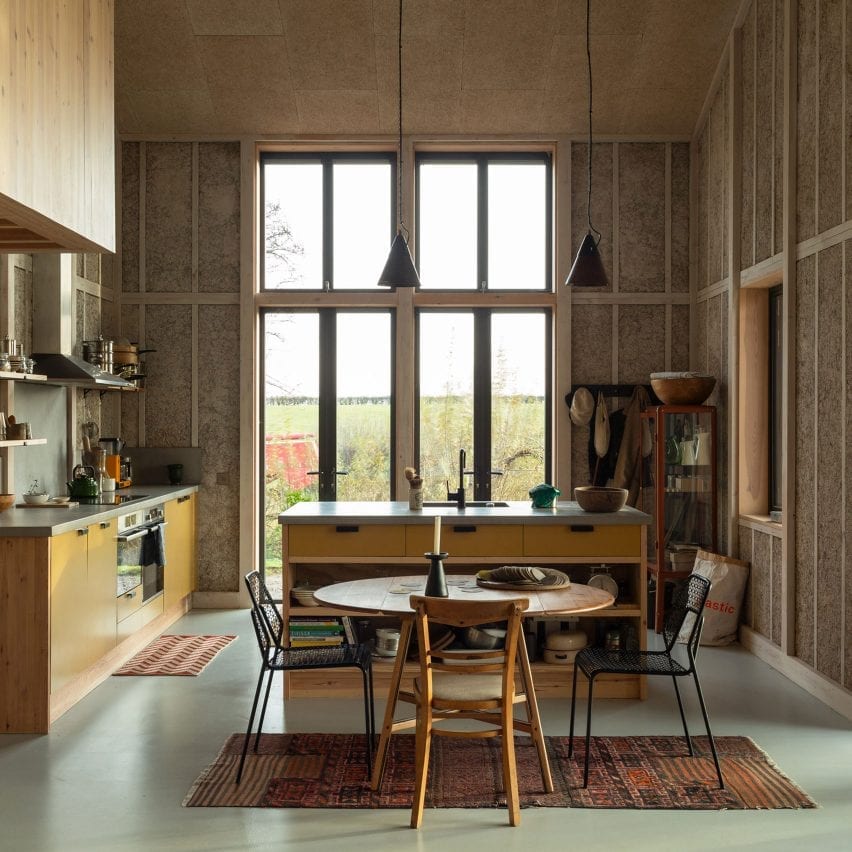
Flat House kitchen

A film producer who established a hemp farm to “pull carbon out of the atmosphere” has attacked UK laws that are holding back production of the biomaterial. Architects are “desperate” to specify products made from the cannabis variety in their projects, said Steve Barron, who has converted a Cambridgeshire estate into an organic hemp farm

The post Use of hemp in architecture and design held back by “ridiculous” UK rules says farmer who built a house from cannabis appeared first on Dezeen.

No Image

Hemp “more effective than trees” at sequestering carbon says Cambridge researcher

June 30, 2021 Marcus Fairs 0
Industrial hemp plantation

Hemp can capture atmospheric carbon twice as effectively as forests while providing carbon-negative biomaterials for architects and designers, according to Cambridge University researcher Darshil Shah. “Numerous studies estimate that hemp is one of the best CO2-to-biomass converters,” said Shah, who is senior researcher at the Centre for Natural Material Innovation at Cambridge. “It’s even more

The post Hemp “more effective than trees” at sequestering carbon says Cambridge researcher appeared first on Dezeen.

No Image

“We’re taking CO2 out of the system” says carbon-capturing concrete maker Carbicrete

June 15, 2021 Jennifer Hahn 0
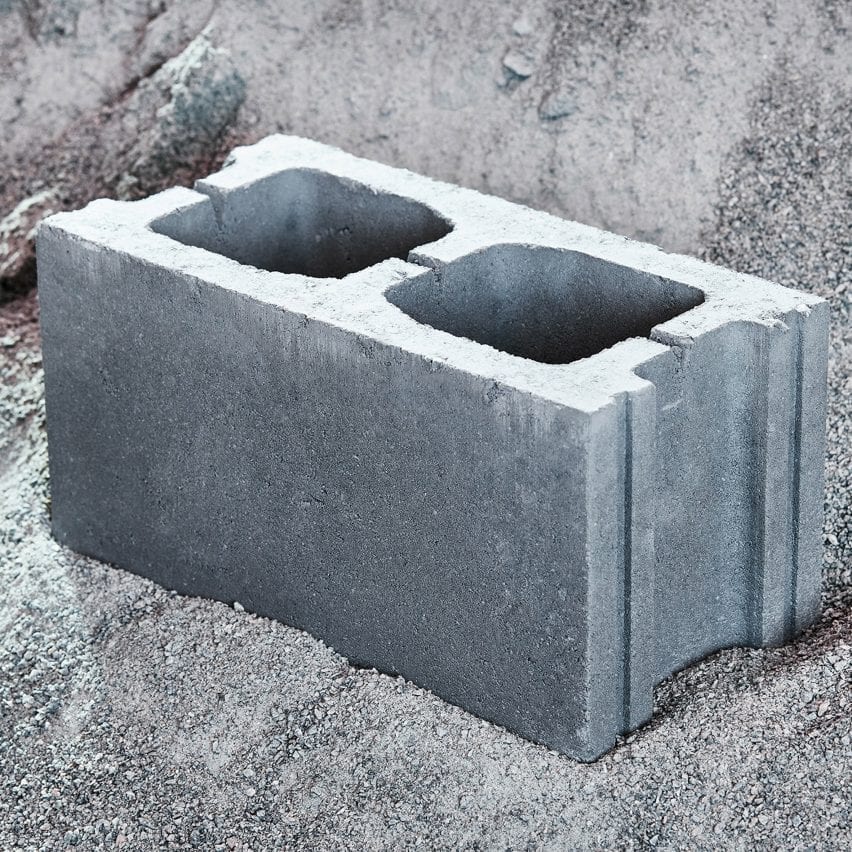
Concrete masonry unit by Carbicrete

Montreal company Carbicrete has developed a method for sequestering carbon in concrete, claiming its product captures more carbon than it emits. The technology cuts out the need for calcium-based cement, a key ingredient in traditional concrete that is responsible for around eight per cent of all global CO2 emissions. “It’s negative emissions,” Carbicrete CEO Chris

The post “We’re taking CO2 out of the system” says carbon-capturing concrete maker Carbicrete appeared first on Dezeen.

No Image

French architects face wood shortage with “prices going up every week”

June 7, 2021 Marcus Fairs 0
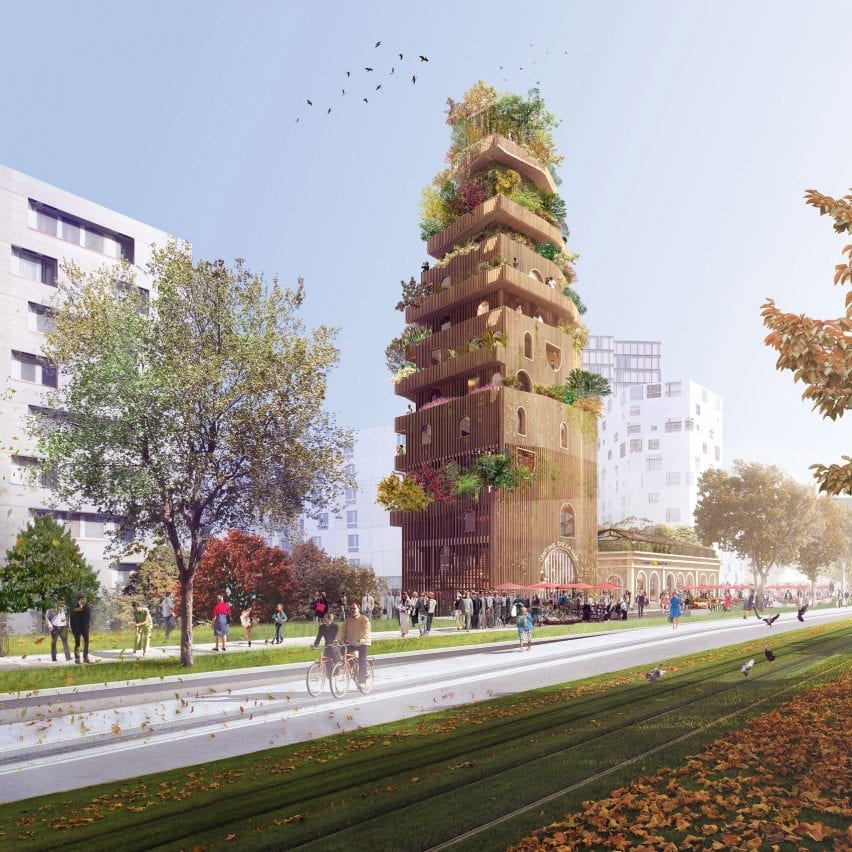
Timber tower by Lina Ghotmeh

A timber shortage in France has forced prices up as architects struggle to comply with a new environmental law that requires public buildings to be 50 per cent wood. French architects are reporting price rises of up to 50 per cent since the start of the year. “The prices are going up every week,” said

The post French architects face wood shortage with “prices going up every week” appeared first on Dezeen.

No Image

“Whitest paint on record” reflects 98 per cent of sunlight to cool buildings

April 16, 2021 Jennifer Hahn 0
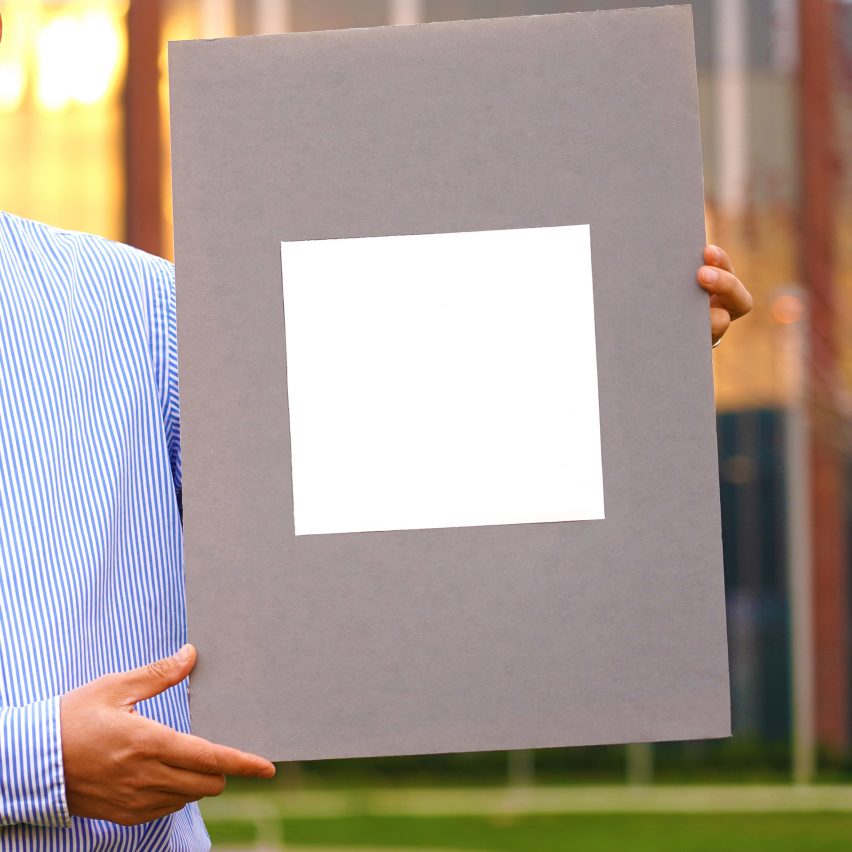
"Whitest paint on record" developed by researchers from Purdue University led by Xiulin Ruan

Researchers at Purdue University have developed an “ultra-white” paint that reflects 98 per cent of sunlight and deflects infrared heat, allowing buildings to cool below the surrounding air temperature. The paint, which the university describes as the “whitest paint on record”, owes its cooling power to barium sulphate – a pigment derived from the mineral

The post “Whitest paint on record” reflects 98 per cent of sunlight to cool buildings appeared first on Dezeen.