
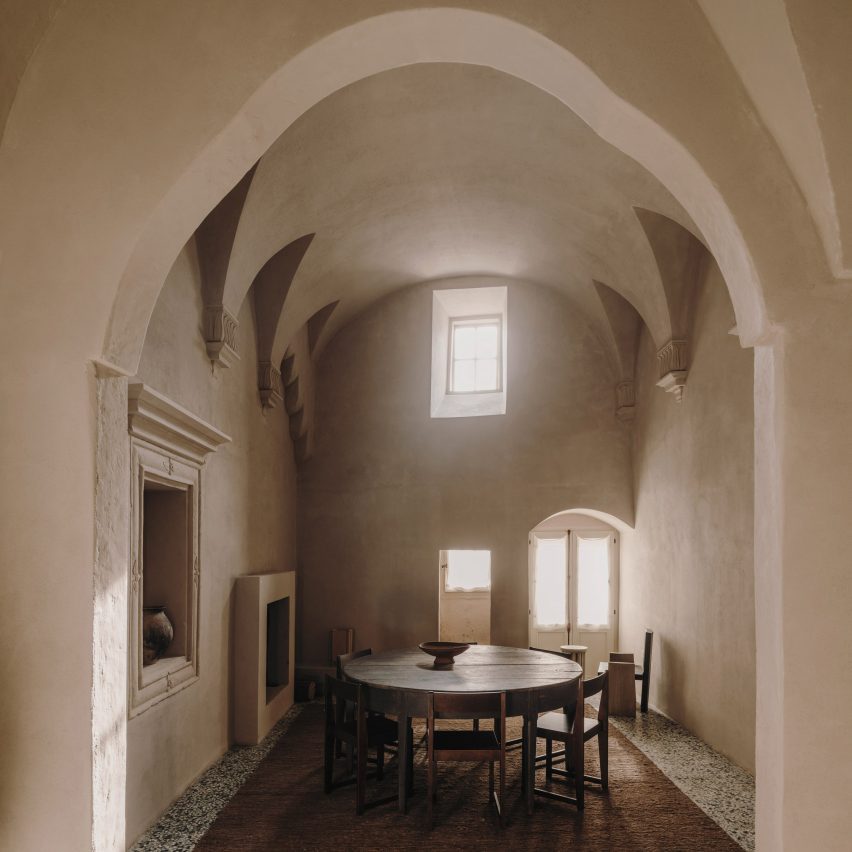
Casa Soleto, a 17th-century house in Puglia, Italy, has been carefully renovated using lime plaster, terrazzo and furniture salvaged from a monastery.
The four-bedroom house, which had parts that were over 400 years old, was given a refresh by its owners – architecture firm Studio Andrew Trotter and its studio manager Marcelo Martínez.
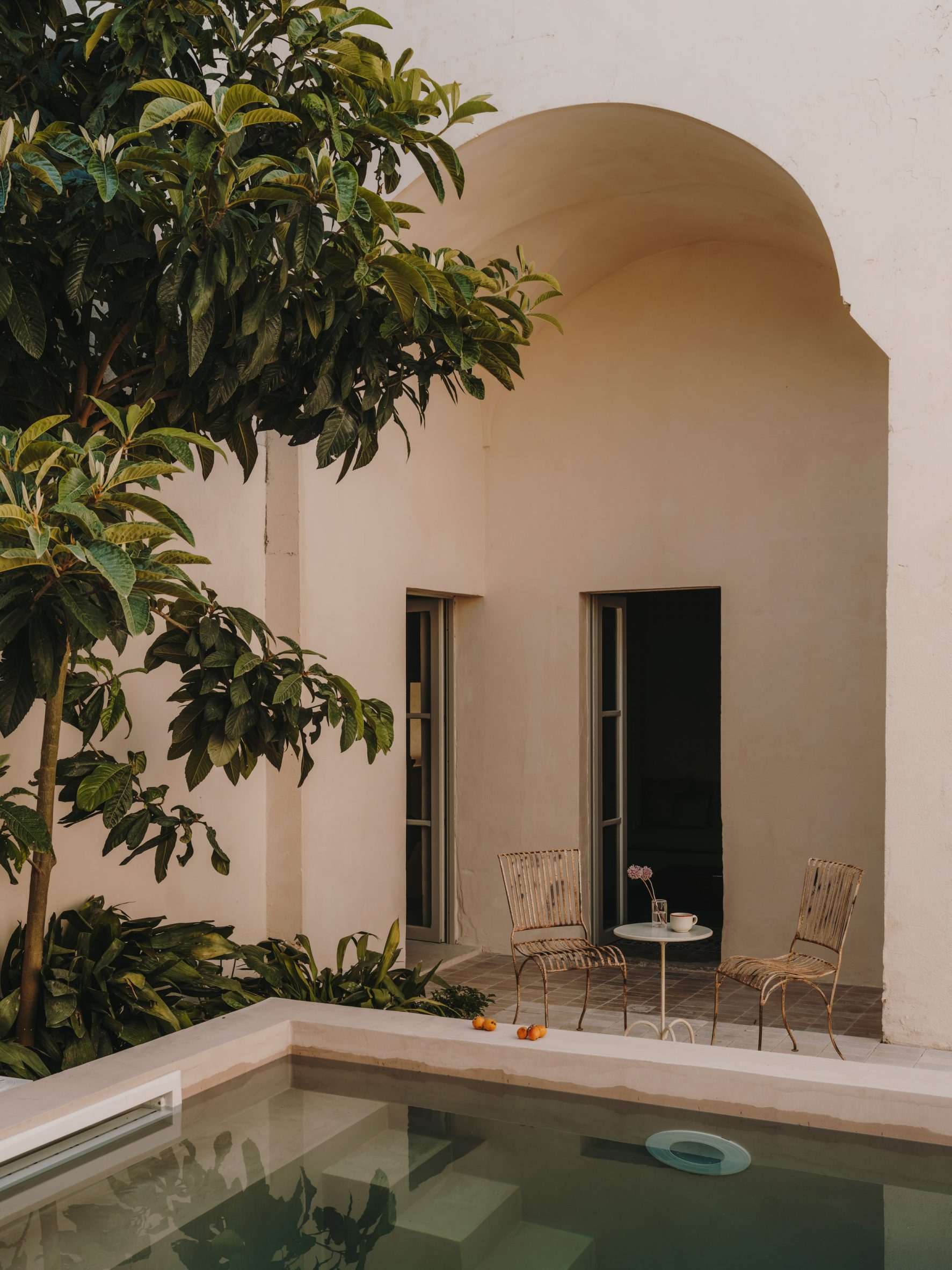
While no structural changes were made, the designers redid some of its roofs, which were falling apart, added two bathrooms and powder rooms, and swapped the living and dining spaces around.
“The street front had all the baroque details of a small palazzo, and inside it was like time stood still,” Studio Andrew Trotter founder Andrew Trotter said of the house.
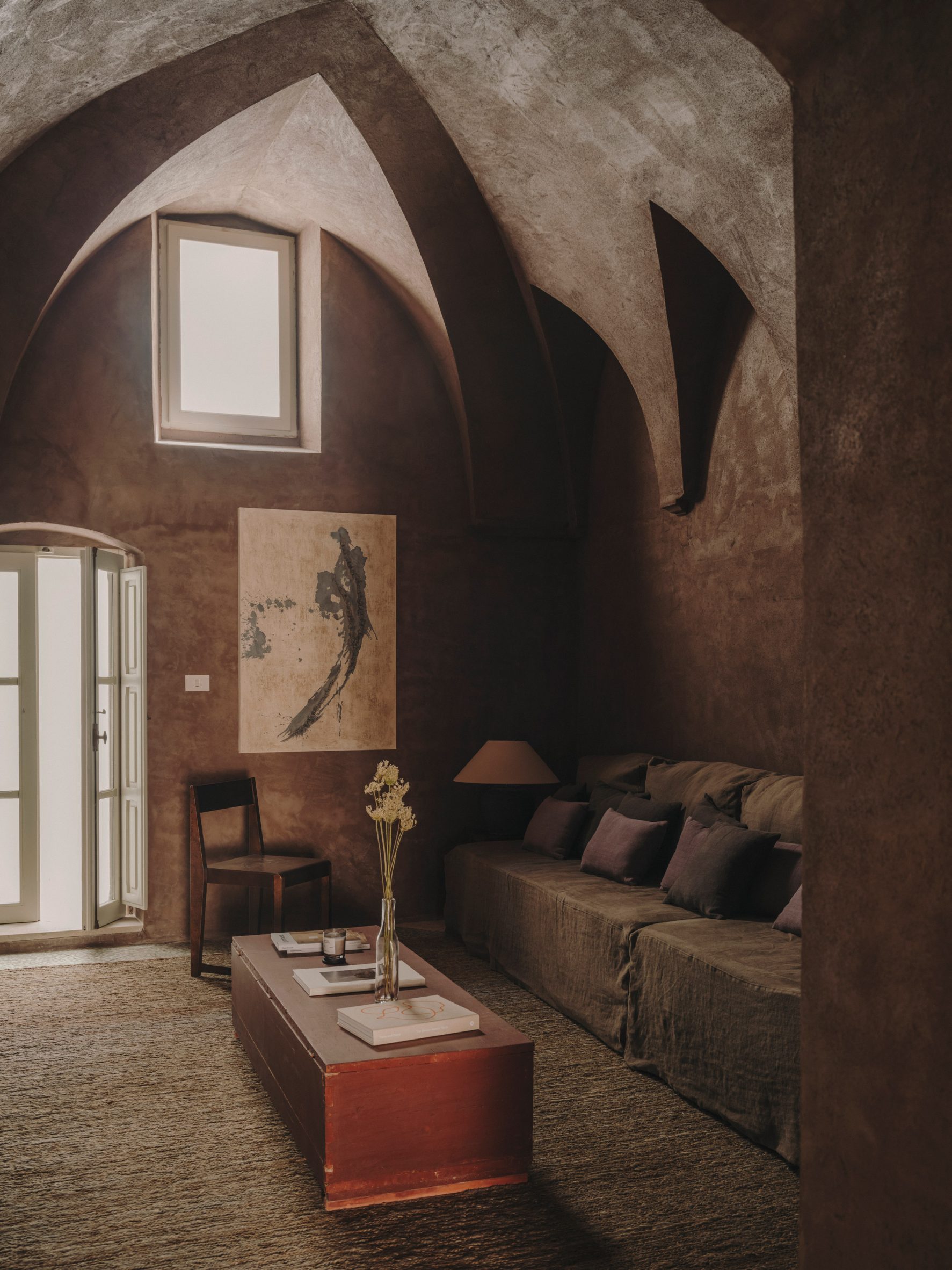
None of its walls were straight, and the layout was designed for the needs of past occupants, with a chapel located behind the kitchen so that the family did not need to leave the house to pray.
This space was transformed into a media room and a powder room with an outdoor shower, creating a space that can be used as an extra guestroom if needed.
Studio Andrew Trotter and Martínez aimed for the renovation of Casa Soleto to resemble the original building as much as possible and preserved much of its original flooring.
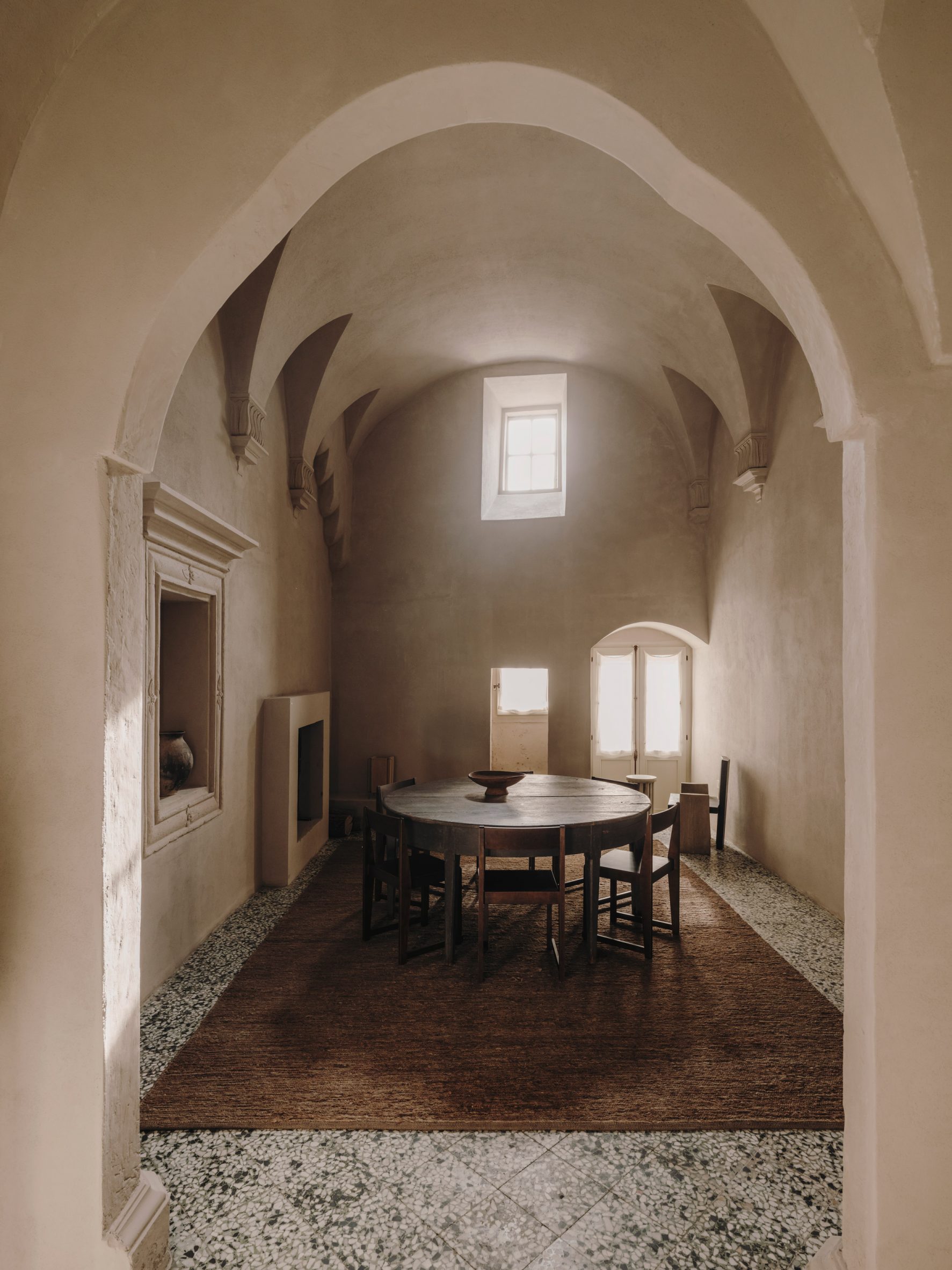
“We used lime plasters to give a natural and raw feeling to the walls, terrazzo floors – battuto alla veneziana – in the areas where new floors had to be made, wooden windows and doors seeking to imitate the original ones, cast iron hardware and linen sofas,” Martínez told Dezeen.
“We tried to use natural materials as much as possible. “
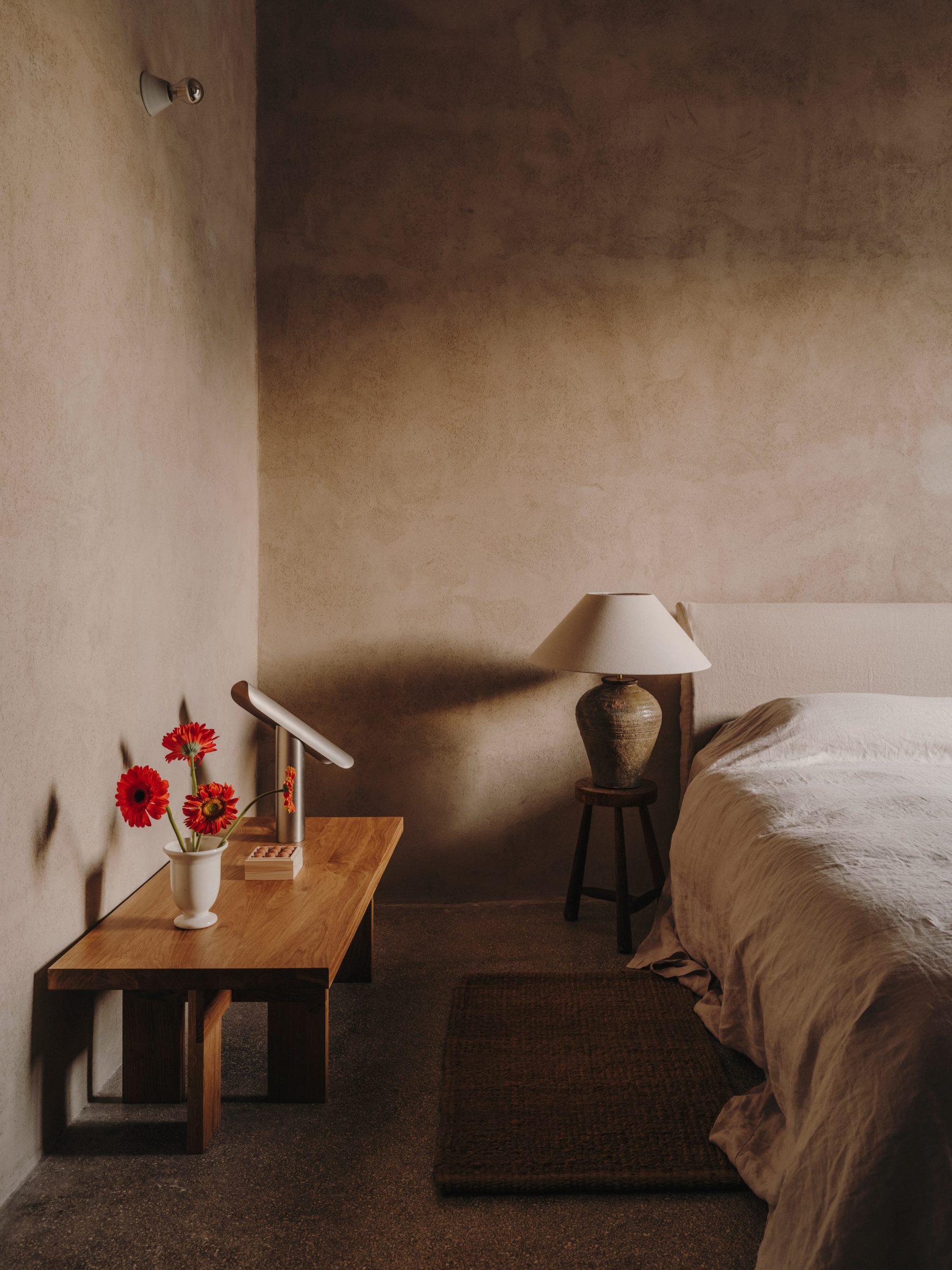
The designers also chose a discrete colour palette for the lime plaster used on the walls of the house, which have five-metre-high ceilings on its ground floor.
“We chose subtle earthy and greeny colors,” Martínez said.
“Colors played a central role as some make spaces feel light, others moody,” the studio added.
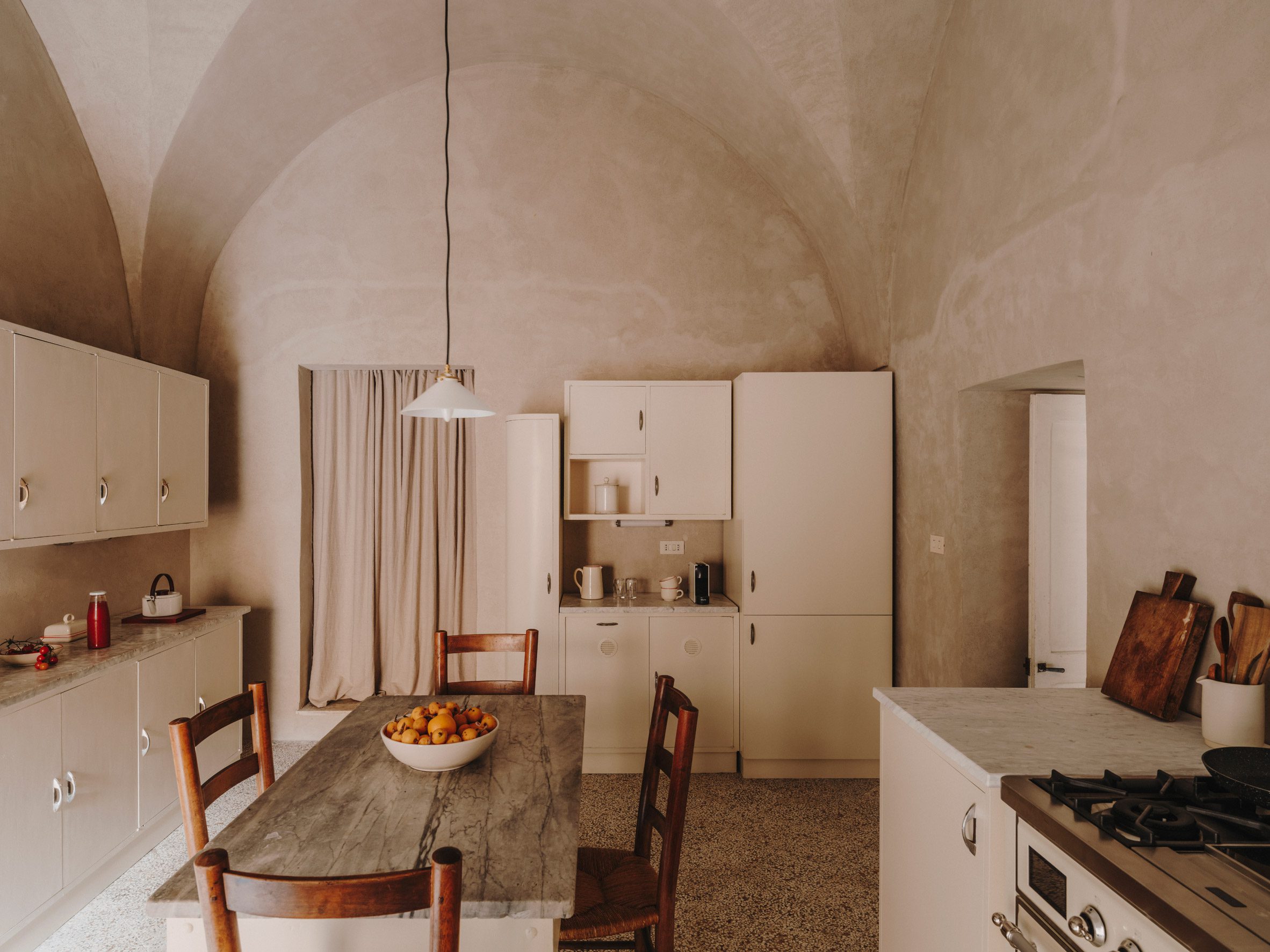
Studio Andrew Trotter commissioned local woodworkers from the city of Lecce to recreate the original wooden doors and kept the house’s original kitchen.
To add to the natural feel of the interior, it used jute rugs to cover the stone floors, and sourced linen upholstery and curtains from local artisans.
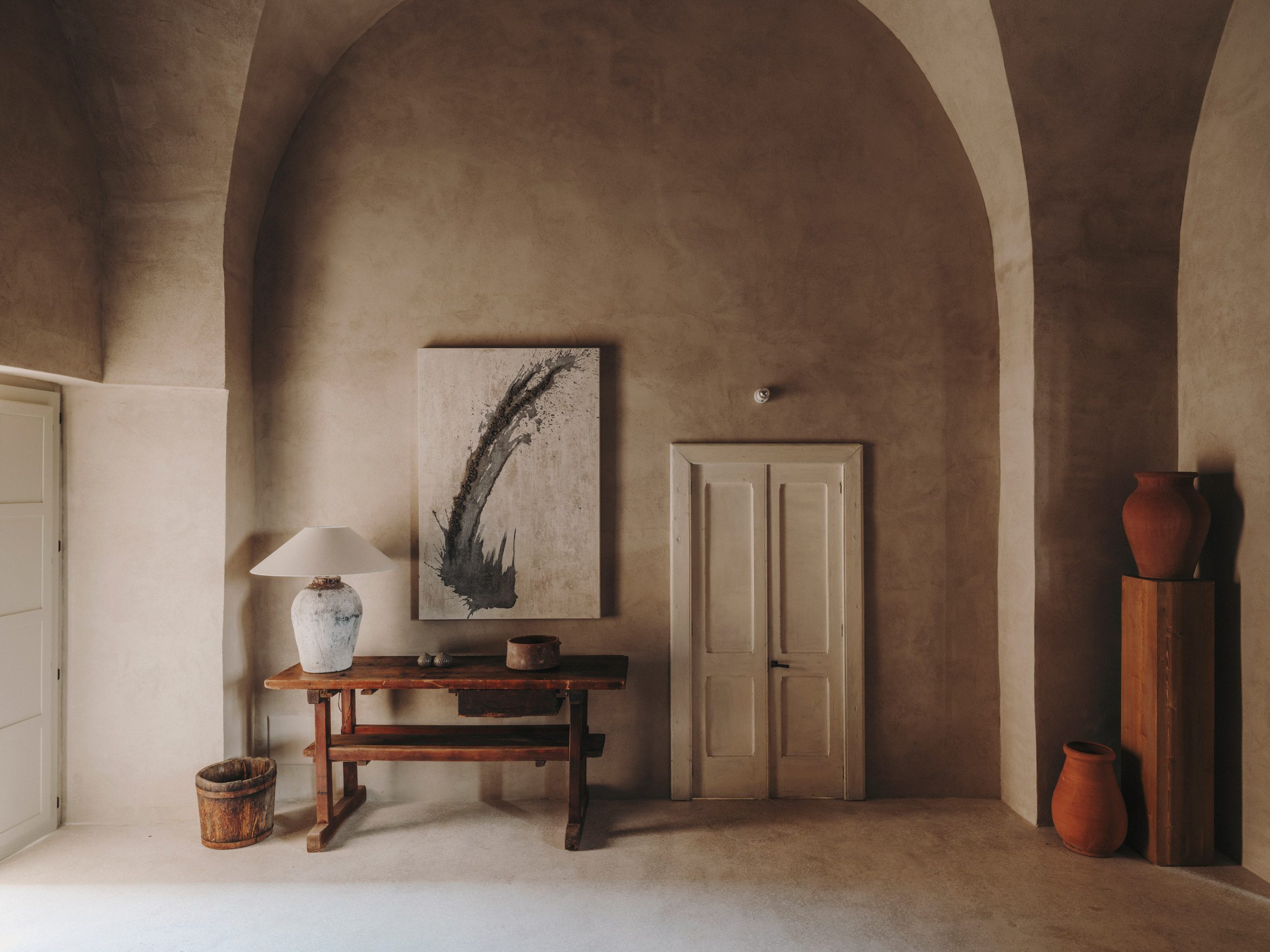
Furniture and accessories by Danish brand Frama were juxtaposed with antique furniture pieces, including an 18th-century dining table that was salvaged from an Abruzzo monastery.
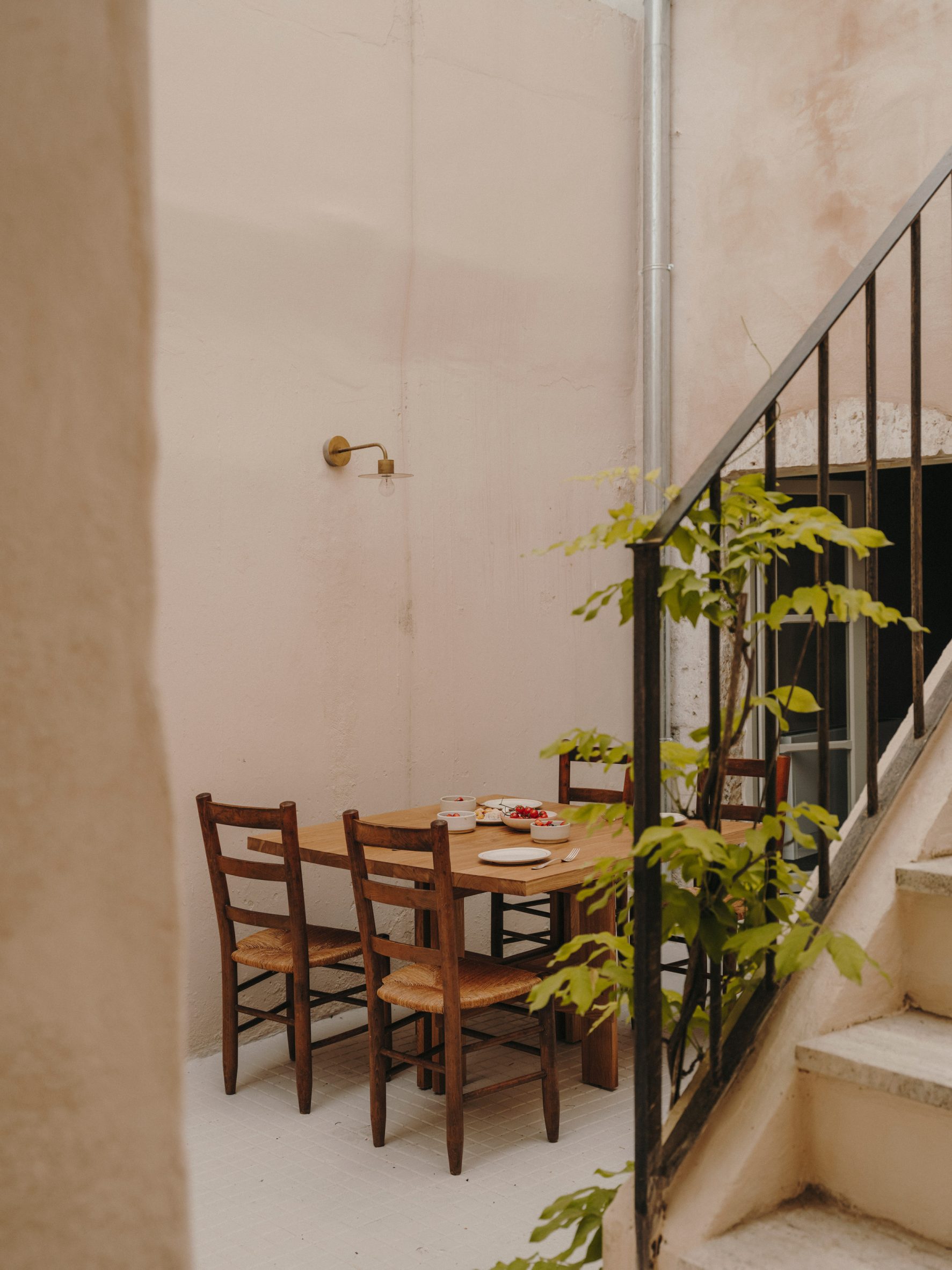
The studio also sourced a late 18th- early 19th-century wardrobe from Lombardy for one of the bedrooms in Casa Soleto, which can only be accessed by going through the front patio and up an outside staircase.
Studio Andrew Trotter, which has worked on a number of projects in the Puglia area, plans to use Casa Soleto as a rental property.
“We purchased and restored it mainly to rent it out, and also to invite creative minds that we appreciate, make gatherings and exhibitions,” Martínez said.
Previous projects by the studio in the area include a 19th-century school that was turned into a family home and an earth-toned villa made from local sandstone.
The photography is by Salva López.
The post Studio Andrew Trotter and Marcelo Martínez refresh 17th-century home where time "stood still" appeared first on Dezeen.